


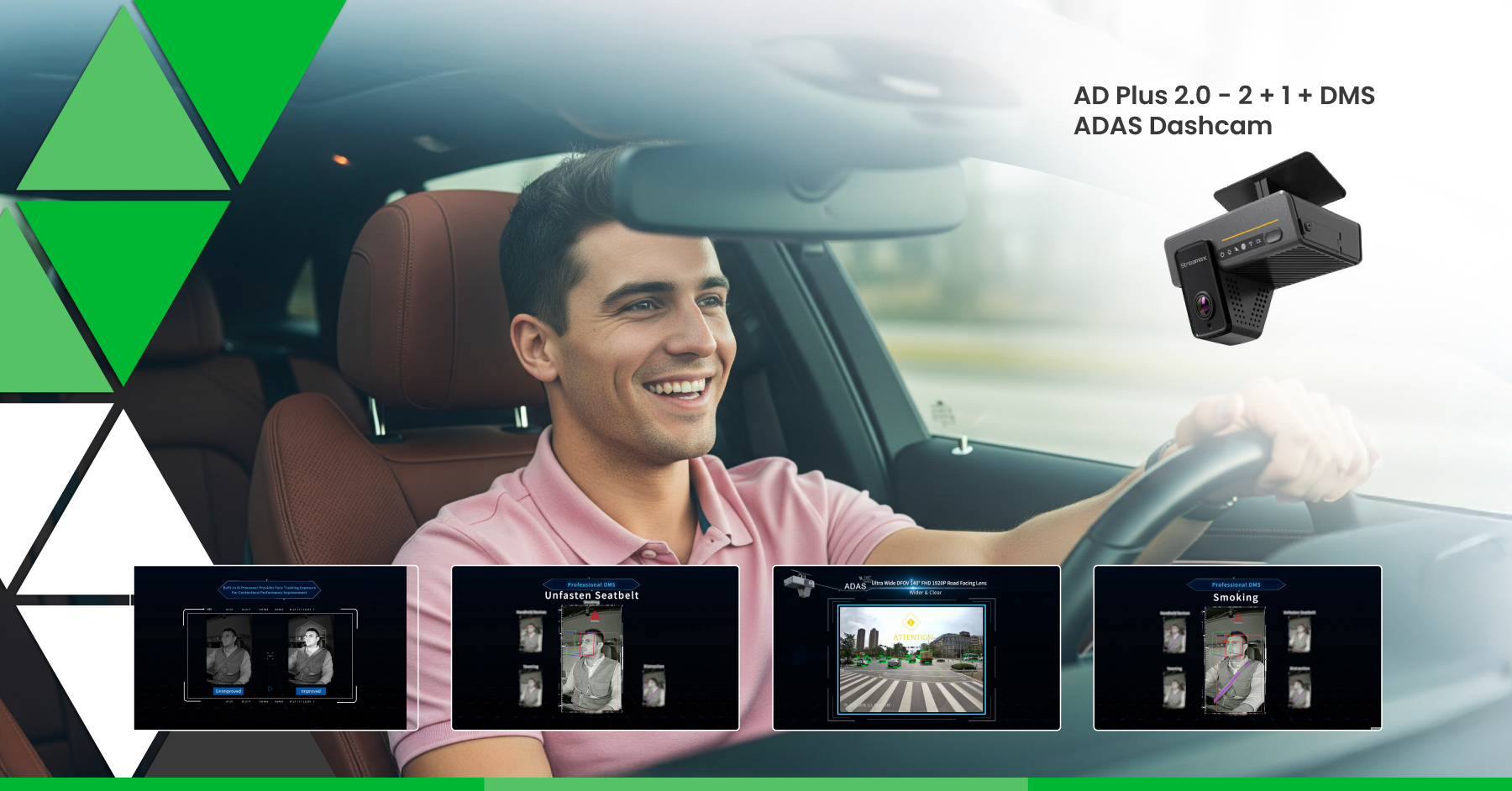
Car video monitoring systems are rapidly becoming essential for Australian drivers, fleet operators, and businesses looking to improve safety, reduce risk, and protect their vehicles. With advanced features such as AI driver monitoring, dual-facing cameras, fatigue detection, GPS tracking, and real-time alerts, modern in-vehicle video systems offer a complete safety and compliance solution.
This guide breaks down everything you need to know about car video monitoring systems in Australia: how they work, what features matter, legal considerations, and how businesses can use them to improve safety and reduce operating costs.
What Is a Car Video Monitoring System?
 A car video monitoring system is an in-vehicle camera setup that records driving activity, monitors the driver, and captures incidents for safety, training, and insurance protection.
These systems are widely used in:
- Company cars
- Delivery and courier vehicles
- Rideshare and taxi fleets
- Heavy vehicles and logistics fleets
- Civil, mining, and construction vehicles
- Private vehicles for added security
They typically include:
- Front-facing cameras (road view)
- Cabin-facing cameras (driver view)
- Rear or side cameras (optional)
- DVR (Digital Video Recorder)
- AI monitoring sensors
- GPS tracking module
In short, they act as a “digital witness” and a real-time safety assistant.
How Do Car Video Monitoring Systems Work?
Car video monitoring systems operate through a combination of hardware and software:
Continuous or Event-Based Recording
Cameras record high-definition footage of the road and inside the cabin. Some systems record continuously, while others trigger recordings based on events such as:
- Sudden braking
- Hard acceleration
- Harsh cornering
- Collision or impact
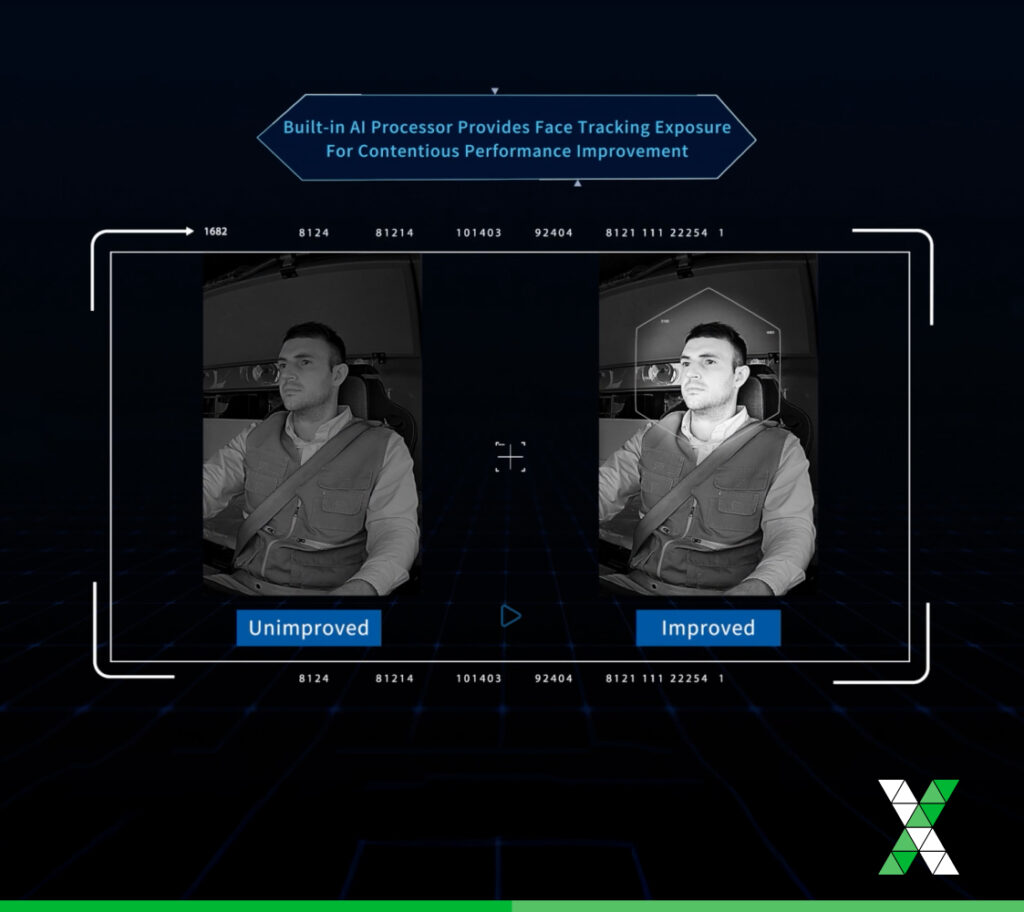
AI Driver Monitoring
AI-powered sensors detect harmful or risky behaviours, including:
- Fatigue and drowsiness
- Phone usage
- Distraction
- Smoking
- Failure to look at the road
- Yawning or eye closure
When an issue is detected, drivers receive instant alerts to correct the behaviour.
Real-Time Alerts & Reporting
Fleet managers can access real-time insights via a cloud dashboard:
- Live GPS location
- Video clips of incidents
- Driver behaviour scores
- Speeding alerts
- Vehicle diagnostics (in advanced systems)
Cloud Storage for Evidence
Incidents are automatically uploaded to secure cloud storage, providing reliable evidence for insurance claims, investigations, or legal matters.
Key Features to Look For
When choosing a car video monitoring system in Australia, consider the following essential features:
 Dual-Facing Cameras
Captures both the driver and the road crucial for liability protection.
AI Driver Monitoring System (DMS)
Reduces the risk of fatigue-related crashes and distraction.
GPS Tracking & Telematics
Allows mapping of routes, speed monitoring, and real-time vehicle tracking.
ADAS (Advanced Driver Assistance Systems)
Includes forward-collision warnings, lane departure alerts, and pedestrian detection.
High-Definition Recording
1080p or higher ensures clear evidence in case of incidents.
Night Vision & Low-Light Performance
Captures clear footage even at night or in poor lighting.
Cloud Storage & Remote Access
Automatically uploads video files and provides secure access for managers.
SOS or Emergency Alerts
Essential for remote areas and high-risk environments.
Driver Scorecards
Helps fleet operators track improvement and promote safe driving behaviour.
Legal Requirements in Australia
Before installing a video monitoring system, it’s important to understand national and state-based regulations.
Privacy Laws
Under Australian privacy legislation:
- You must inform drivers that a camera system is installed.
- For rideshare, taxi, and passenger vehicles, passengers must also be notified (signage required in some states).
- Footage must be stored securely.
Dash Cam Legality
Recording the road is legal across Australia. Recording audio without consent may be restricted depending on the state.
Workplace Surveillance Requirements
For fleet vehicles:
- Employers must provide written notice before using monitoring systems.
- Some states (e.g. NSW, ACT) require at least 14 days’ notice.
Data Security
Under the Privacy Act 1988, businesses must ensure footage is:
- Protected from unauthorised access
- Not retained longer than necessary
- Only used for legitimate business and safety purposes
Benefits of Car Video Monitoring Systems
Improved Driver Safety
Real-time coaching reduces accidents caused by fatigue, distraction, or risky driving.
Reduced Insurance Costs
Many insurers offer discounts for vehicles with approved monitoring systems.
Faster Incident Resolution
Video evidence speeds up claims and protects drivers from false accusations.
Lower Fleet Operating Costs
Better driving behaviour results in:
- Reduced fuel usage
- Fewer mechanical failures
- Less wear and tear
Compliance for Commercial and Heavy Vehicles
Helps meet legislative requirements for transport, mining, and civil projects.
Increased Security Against Theft
Live tracking and recording protect against theft, vandalism, and break-ins.
Car Video Monitoring Systems for Fleets in Australia
Fleet operators gain significant advantages from advanced video monitoring.
Fleet-Specific Features Include:
- Live monitoring of all vehicles
- Instant alerts for dangerous driving
- Geofencing and route tracking
- Driver performance reporting
- Integration with fleet management software
- Automated compliance reporting
Industries benefiting the most:
- Logistics & freight
- Rideshare & taxi services
- Waste management & utility services
- Mining, construction, and civil
- Government and council fleets
Choosing the Right Car Video Monitoring System
When selecting a system, evaluate:
- The size of your fleet
- The type of vehicles
- Your safety and compliance requirements
- Your reporting and integration needs
- Whether you require AI, ADAS, 4G/5G connectivity, or heavy-duty hardware
- Budget and ongoing cloud subscription costs
Businesses should partner with a trusted Australian provider that offers installation, training, and ongoing support.
Why Australian Businesses Choose AI-Powered Systems
AI provides proactive safety rather than reactive recording. Features like:
- Fatigue detection
- Collision prediction
- Lane departure alerts
- Distraction warnings help reduce accidents before they happen.
For harsh conditions such as regional Australia, mining sites, or long-haul routes, AI systems provide the highest level of protection.
The Future of Car Video Monitoring in Australia
The technology is evolving quickly, with innovations like:
- 5G-enabled cameras
- Cloud AI analytics
- Blind-spot detection
- Driver coaching with voice assistance
- Multi-camera 360° systems
- Integration with telematics platforms
As standards for safety continue to rise, these systems will become a normal part of Australia’s road safety landscape.
Call us on 1300 832 639 or simply search “Exceed ICT” on Google Maps to find a location near you and connect with our team today.
We also provide
Telecoms Expense Management, Device Deployment, Mobile Fleet management, Telstra enterprise Mobility, Telstra mobility Managed Services.
Improve Business Core values, Business Consulting, Network Management, Telstra Expense Management and many more Services.