

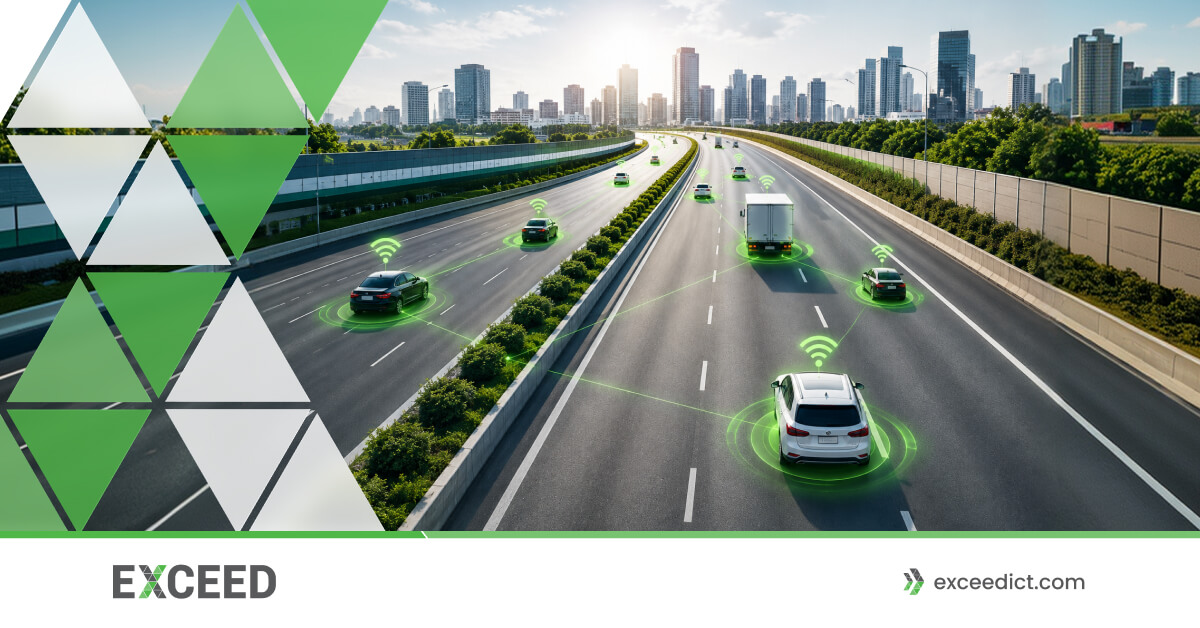
Vehicle Telematics Australia is transforming fleet management by combining GPS tracking, onboard diagnostics, IoT connectivity, cloud platforms, and advanced analytics to provide real-time visibility into vehicle operations. Australian businesses use telematics solutions to monitor vehicle location, driver behaviour, fuel efficiency, engine performance, and safety events while improving compliance with transport regulations.
By moving beyond traditional GPS tracking, modern telematics systems integrate AI, video monitoring, predictive maintenance, and connected vehicle technologies to help organisations reduce costs, improve safety, and optimise fleet performance.
EXCEED ICT delivers advanced IoT-powered vehicle telematics solutions designed to help Australian businesses connect their fleets, improve operational efficiency, and unlock valuable vehicle data through intelligent fleet management platforms.
What Is Vehicle Telematics?
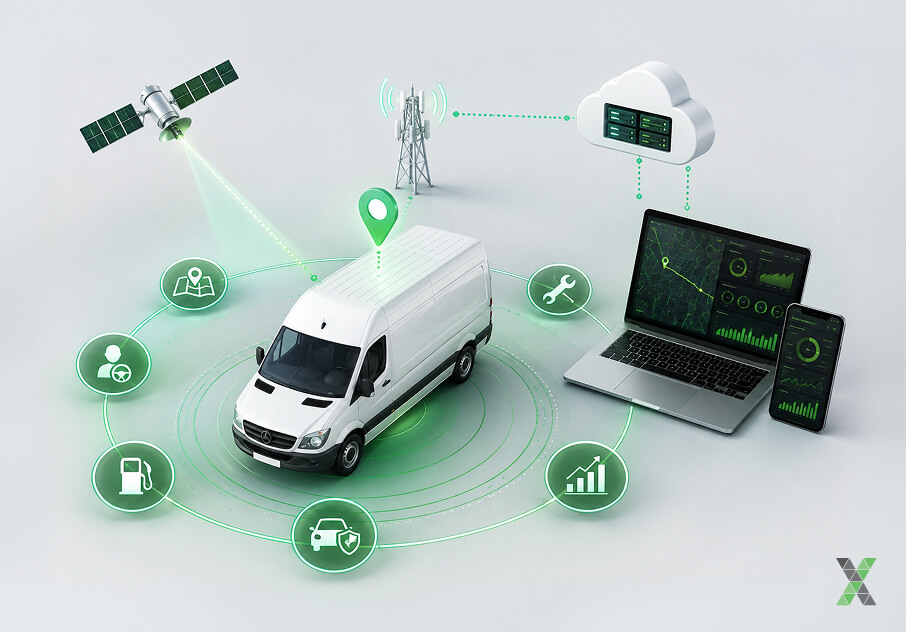 Vehicle telematics is the integration of telecommunications and informatics technologies to collect transmit, and analyse data generated by vehicles.
A telematics system acts as a connected communication bridge between a vehicle and a cloud-based software platform. It gathers information from vehicle sensors, GPS satellites, and onboard computers before transmitting the data through cellular or satellite networks.
The collected information allows fleet operators to monitor:
- Real-time vehicle location
- Driver behaviour
- Vehicle health and diagnostics
- Fuel consumption
- Maintenance requirements
- Safety events
- Route efficiency
- Asset utilisation
Unlike basic GPS tracking, which only shows vehicle location, telematics provides a complete operational view of how vehicles are being used and how they are performing.
For Australian businesses, vehicle telematics has become an essential technology for improving fleet safety, meeting compliance obligations, reducing costs, and supporting data-driven decision-making.
How Vehicle Telematics Works
A modern vehicle telematics system operates through four key stages:
Data Collection
The process begins with a telematics device installed inside the vehicle.
This device is often called an:
- In-Vehicle Unit (IVU)
- Telematics Control Unit (TCU)
- Black box
- Connected vehicle device
The hardware connects to the vehicle’s electronic systems through:
- OBD-II diagnostic ports
- CAN-bus networks
- Factory-installed vehicle communication systems
The device collects information from multiple sources, including:
- Engine performance
- Vehicle speed
- Fuel usage
- Battery voltage
- Odometer readings
- Fault codes
- Driver behaviour sensors
GPS technology also provides accurate location information, allowing fleet operators to track vehicles in real time.
Data Transmission
After collecting vehicle data, the telematics device securely transmits information to cloud platforms through communication networks.
Common connectivity options include:
Cellular Networks
Most commercial telematics systems use:
- 4G LTE
- 5G connectivity
- Private enterprise networks
Cellular connectivity provides reliable communication across most populated areas of Australia.
Satellite Connectivity
For remote industries such as:
- Mining
- Agriculture
- Defence
- Emergency services
- Remote infrastructure
Satellite communication provides connectivity where mobile networks may not be available.
EXCEED ICT integrates advanced connectivity solutions, including enterprise wireless and satellite technologies, to support reliable vehicle communication across Australia.
Cloud Processing and Analytics
Once vehicle data reaches the cloud platform, advanced software processes the information and converts raw data into useful insights.
Fleet managers can access dashboards displaying:
- Live vehicle locations
- Driver safety scores
- Route history
- Maintenance alerts
- Fuel reports
- Compliance reports
Advanced analytics can identify patterns and provide recommendations to improve fleet performance.
Decision Making and Optimisation
The final stage involves using telematics insights to improve business operations.
Fleet managers can:
- Optimise delivery routes
- Reduce fuel consumption
- Schedule proactive maintenance
- Coach unsafe drivers
- Improve asset utilisation
- Reduce operational risks
This creates a smarter, safer, and more efficient fleet environment.
Core Components of Vehicle Telematics Systems
GPS Vehicle Tracking
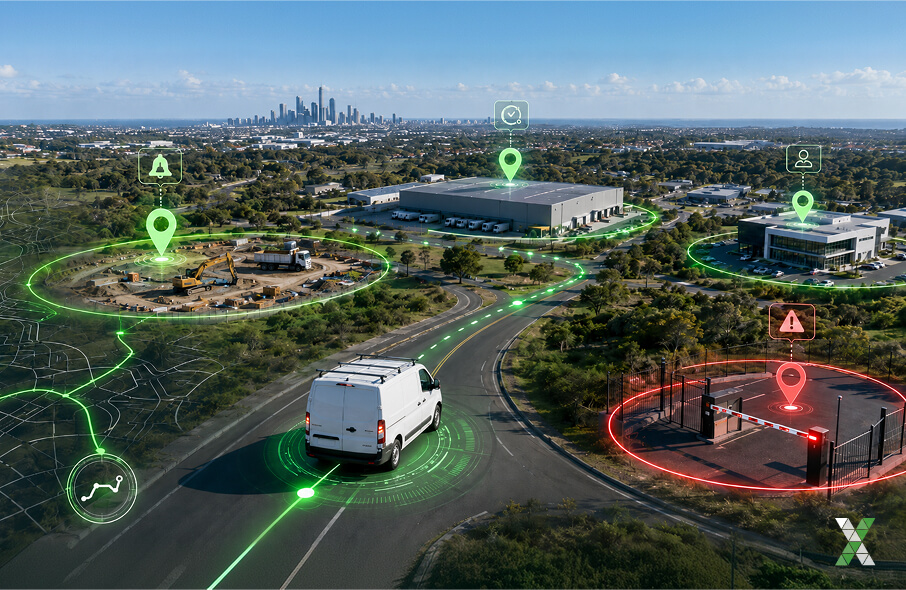 GPS tracking is one of the most recognised features of vehicle telematics.
It provides:
- Real-time vehicle location
- Route history
- Travel distance
- Arrival and departure times
- Geofencing alerts
Geofencing allows businesses to create virtual boundaries around locations such as:
- Construction sites
- Warehouses
- Customer locations
- Restricted areas
When a vehicle enters or leaves a defined area, fleet managers receive automatic notifications.
Onboard Diagnostics (OBD-II and CAN-Bus Data)
Modern vehicles contain sophisticated electronic systems that continuously monitor performance.
Telematics devices can access this information to monitor:
- Engine fault codes
- Fuel consumption
- Battery condition
- Engine hours
- Vehicle health
- Service requirements
This enables predictive maintenance, allowing businesses to identify potential issues before they result in expensive breakdowns.
Instead of waiting for vehicle failures, fleet operators can schedule maintenance based on actual vehicle conditions.
Driver Behaviour Monitoring
Driver behaviour has a major impact on safety, fuel efficiency, and vehicle maintenance.
Vehicle telematics systems monitor driving patterns such as:
- Harsh braking
- Rapid acceleration
- Excessive speeding
- Aggressive cornering
- Excessive idling
- Unnecessary engine use
This information helps businesses provide targeted driver coaching and encourage safer driving practices.
Improved driver behaviour can result in:
- Reduced accidents
- Lower fuel consumption
- Reduced vehicle wear
- Improved insurance outcomes
Video Telematics and AI Driver Monitoring
The latest generation of vehicle telematics combines traditional fleet data with artificial intelligence-powered cameras.
AI video telematics can detect:
- Driver fatigue
- Mobile phone usage
- Driver distraction
- Unsafe behaviour
- Road hazards
When a safety event occurs, the system can capture video evidence and provide valuable context.
Benefits include:
- Faster incident investigation
- Improved driver training
- Reduced insurance disputes
- Enhanced workplace safety
For industries where driver safety is critical, AI camera integration provides another layer of protection.
Vehicle Telematics Australia and Heavy Vehicle Compliance
Australia has one of the world’s most regulated transport industries. Heavy vehicle operators must comply with strict safety, access, and operational requirements. Vehicle telematics plays an important role in helping businesses meet these obligations.
Transport Certification Australia (TCA)
Transport Certification Australia manages the certification of intelligent transport systems used within Australia’s transport industry. TCA-approved telematics solutions support several important programs, including:
Intelligent Access Program (IAP)
The Intelligent Access Program uses certified telematics technology to monitor heavy vehicle movements. It enables eligible vehicles to access specific road networks while ensuring compliance with approved conditions.
Telematics Monitoring Application (TMA)
The Telematics Monitoring Application provides a flexible monitoring framework for heavy vehicle operators.
It supports:
- Higher productivity vehicles
- Route monitoring
- Compliance reporting
- Operational transparency
Smart On-Board Mass (OBM)
Smart OBM systems provide real-time vehicle weight information.
Benefits include:
- Preventing overload situations
- Improving road safety
- Supporting higher productivity access
- Reducing compliance risks
For industries operating heavy vehicles, accurate mass monitoring is essential.
Electronic Work Diaries and Driver Fatigue Management
Driver fatigue remains one of the major safety concerns in Australia’s transport sector.
Electronic Work Diaries help operators monitor:
- Driving hours
- Rest periods
- Work schedules
- Fatigue compliance
By automatically recording work activity, EWD solutions reduce administrative burden and help businesses meet Chain of Responsibility (CoR) obligations.
Benefits of Vehicle Telematics for Australian Businesses
Improved Fleet Efficiency
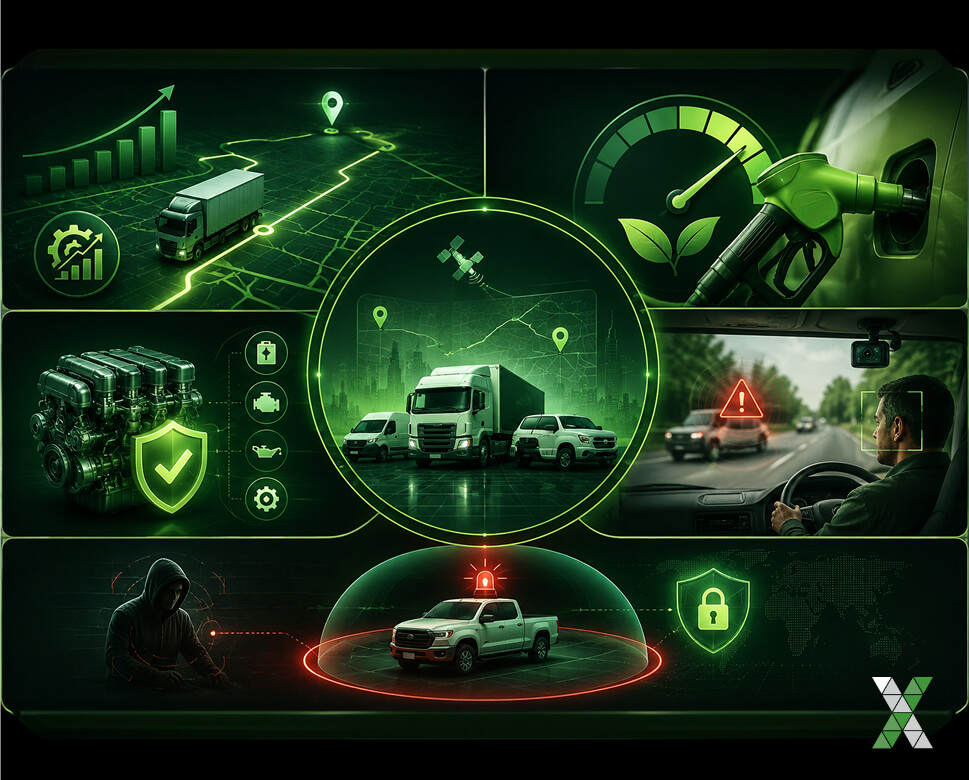 Telematics provides complete visibility into fleet operations.
Businesses can identify:
- Inefficient routes
- Excessive idle time
- Underused vehicles
- Poor driving practices
This helps improve productivity and reduce unnecessary expenses.
Reduced Fuel Costs
Fuel is one of the largest operating expenses for commercial fleets.
Telematics helps reduce fuel consumption by monitoring:
- Driving behaviour
- Idle time
- Route efficiency
- Vehicle performance
Businesses can use these insights to reduce fuel waste and improve sustainability.
Predictive Vehicle Maintenance
Traditional maintenance relies on fixed schedules.
Telematics enables condition-based maintenance by monitoring:
- Engine performance
- Fault codes
- Battery health
- Vehicle usage
This allows businesses to repair issues before major failures occur.
Benefits include:
- Reduced downtime
- Lower repair costs
- Increased vehicle lifespan
Enhanced Driver Safety
Safety is a major priority for Australian organisations.
Telematics helps businesses:
- Identify risky behaviour
- Provide driver coaching
- Investigate incidents
- Improve workplace safety
Combining telematics data with AI cameras creates a powerful safety management system.
Better Asset Security
Vehicle theft and unauthorised usage can significantly impact businesses.
Telematics provides:
- Real-time location tracking
- Movement alerts
- Geofencing notifications
- Asset activity reports
This improves security for vehicles, equipment, and valuable assets.
Vehicle Telematics Applications Across Australian Industries
Transport and Logistics
Logistics companies use telematics to:
- Monitor delivery vehicles
- Optimise routes
- Improve delivery accuracy
- Reduce fuel costs
Mining and Resources
Mining operations often operate in remote environments.
Telematics supports:
- Remote vehicle monitoring
- Equipment tracking
- Safety compliance
- Satellite connectivity
Construction
Construction businesses use telematics for:
- Equipment utilisation
- Asset tracking
- Maintenance scheduling
- Site management
Local Councils and Government
Councils use connected fleet technology for:
- Waste collection vehicles
- Road maintenance fleets
- Emergency response vehicles
- Public service operations
Utilities and Field Services
Utility companies benefit from:
- Real-time technician tracking
- Vehicle productivity monitoring
- Route optimisation
- Remote asset management
Geotab Fleet Management and Vehicle Telematics
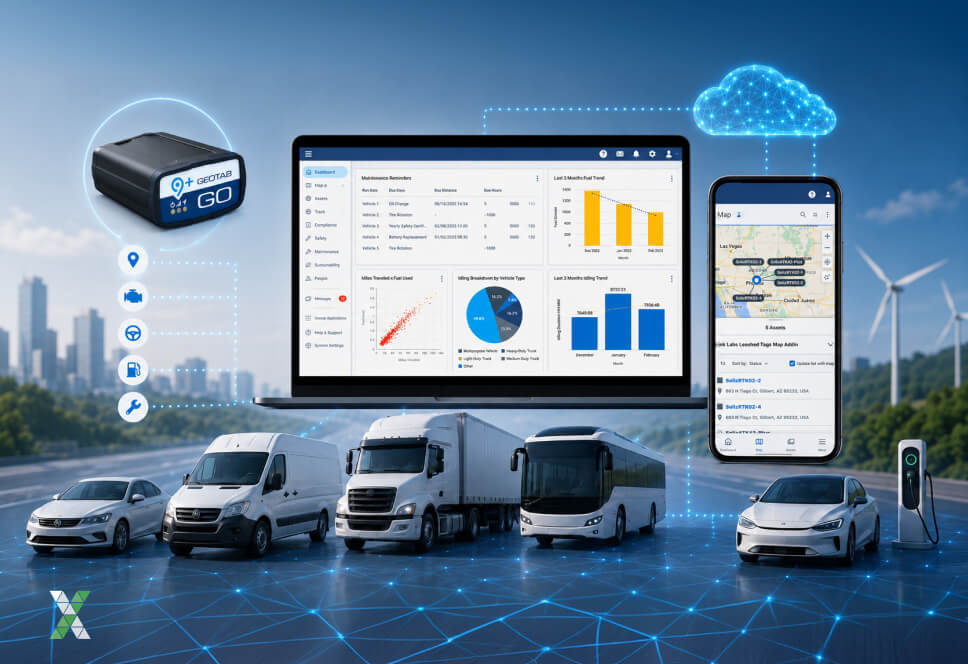 A leading example of modern fleet technology is the integration of telematics hardware with cloud-based fleet management platforms. EXCEED ICT supports advanced vehicle telematics solutions using platforms such as Geotab.
The Geotab GO device provides:
- GPS tracking
- Engine diagnostics
- Driver behaviour monitoring
- Fuel analytics
- Maintenance insights
The platform allows businesses to monitor fleet performance through real-time dashboards and customised reports.
It supports:
- Light vehicles
- Heavy vehicles
- Electric vehicles
- Mixed fleets
The Future of Vehicle Telematics Australia
Vehicle telematics continues to evolve with emerging technologies including:
Artificial Intelligence
AI will improve:
- Driver safety monitoring
- Predictive analytics
- Automated decision-making
Vehicles are becoming intelligent IoT devices capable of communicating with:
- Cloud platforms
- Road infrastructure
- Other vehicles
The Vehicle as a Node approach transforms vehicles into connected data platforms.
Vehicles can collect and share information for:
- Smart cities
- Infrastructure monitoring
- Safety applications
- Operational intelligence
As Australian businesses transition to electric fleets, telematics will help monitor:
- Battery health
- Charging patterns
- Energy consumption
- Fleet electrification performance
Choosing the Right Vehicle Telematics Solution
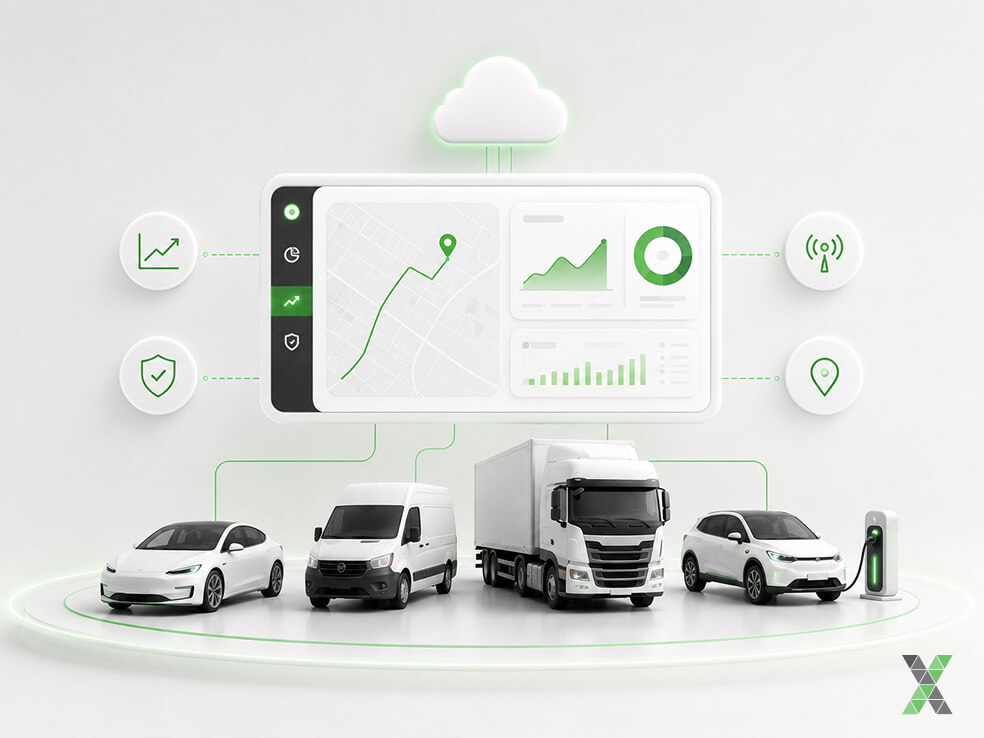 Before selecting a telematics provider, businesses should consider:
Fleet Requirements
Evaluate:
- Number of vehicles
- Vehicle types
- Operating locations
- Connectivity requirements
Scalability
Choose a platform that can grow with your business.
Future requirements may include:
- Additional vehicles
- New sensors
- AI cameras
- EV integration
Integration Capability
Modern businesses need solutions that integrate with:
- Fleet management software
- ERP systems
- IoT platforms
- Business analytics tools
Industry Experience
Working with an experienced technology partner ensures the solution matches operational requirements and compliance needs.
Why Choose EXCEED ICT for Vehicle Telematics Solutions?
EXCEED ICT helps Australian organisations implement intelligent vehicle telematics solutions that connect vehicles, data, and business operations.
Through IoT expertise, advanced connectivity solutions, and fleet management technology, EXCEED ICT helps businesses achieve:
- Real-time fleet visibility
- Improved driver safety
- Reduced operational costs
- Better compliance management
- Predictive maintenance capability
Whether managing commercial vehicles, heavy fleets, remote assets, or connected mobility solutions, EXCEED ICT provides scalable technology designed for Australian conditions.
Conclusion
Vehicle telematics Australia is changing the way businesses manage fleets, improve safety, and optimise operations. By combining GPS tracking, onboard diagnostics, AI video monitoring, IoT connectivity, and cloud analytics, telematics provides organisations with valuable insights into vehicle performance and driver behaviour.
For Australian businesses operating across transport, logistics, mining, construction, utilities, and government sectors, vehicle telematics is no longer just a tracking solution. It is a complete platform for smarter fleet management, improved compliance, and long-term operational efficiency.
With the right technology partner, businesses can transform vehicle data into measurable improvements in safety, productivity, and cost control.
Optimise Your Fleet with Vehicle Telematics Australia Solutions
Improve safety, reduce costs, and gain real-time visibility into your vehicles with EXCEED ICT’s intelligent fleet management solutions.
Call us on 1300 832 639 or simply search “Exceed ICT” on Google Maps to find a location near you and connect with our team today.
We also provide Managed Services, Asset Management, IoT Helpdesk, Fleet Management, Project Management, Telecoms Expense Management.
Improve Your Business Core values, Business Consulting, Network Management, Telstra Adaptive Mobility, Device Enrolment, and many more Solutions.
Find us (Exceed ICT) on Google map.